
Why Wetlands Are Climate Heroes: Carbon Storage, Flood Control, and Biodiversity
Wetlands store carbon in waterlogged soil, soak up floodwater, and shelter wildlife. Here's the simple science behind these quiet climate heroes — and how you can help them.
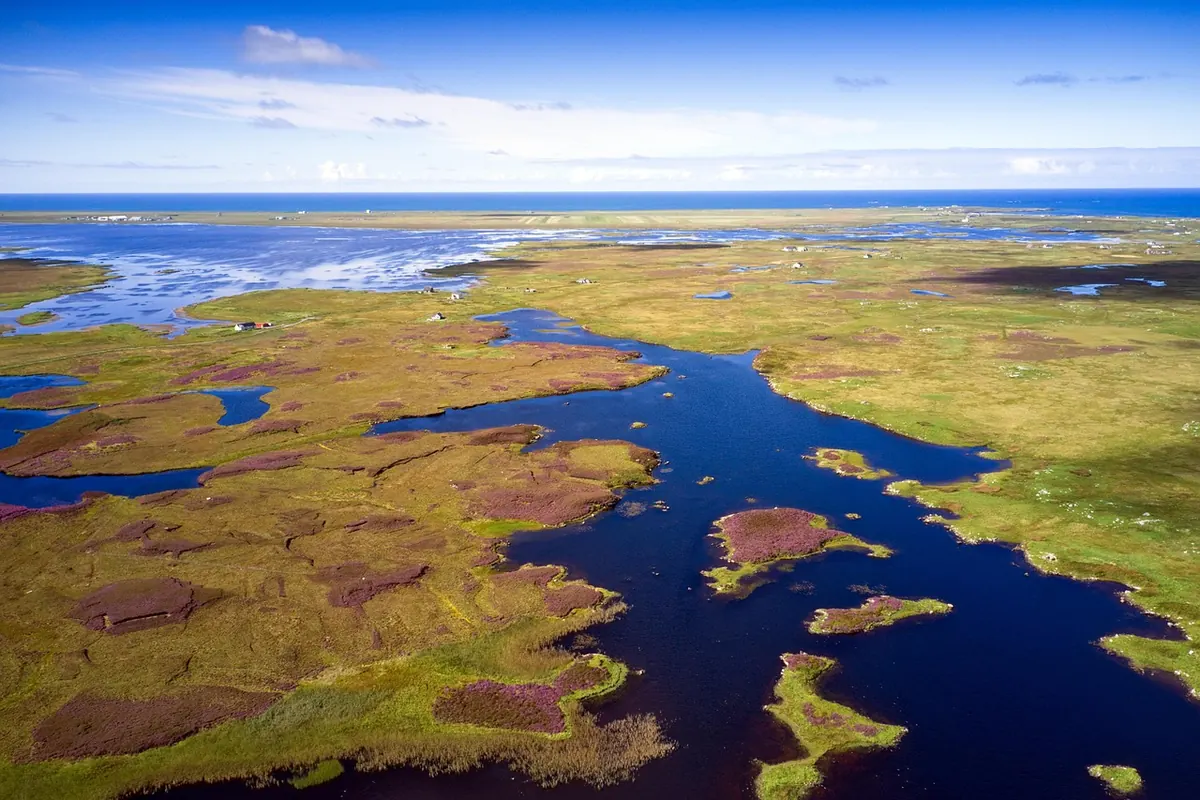
Walk to the edge of a marsh at first light and you will hear it before you see it: red-winged blackbirds calling from the reeds, frogs trading notes across the water, something small slipping off a mudbank. It looks like wasted ground to some people — soft, soggy, unbuildable. What happens under that surface is one of the most useful services any landscape can provide.
Wetlands store carbon, hold back floods, and raise an astonishing amount of life out of a few inches of water. None of it requires technology or maintenance. It just requires leaving the water where it is.
What Actually Counts as a Wetland
The word covers more ground than most people expect. Freshwater marshes, wooded swamps, bogs, fens, prairie potholes, floodplain forests, salt marshes, mangrove thickets, wet meadows at the back of a farm field — all of them are wetlands. So are vernal pools that dry up every summer and fill again in spring.
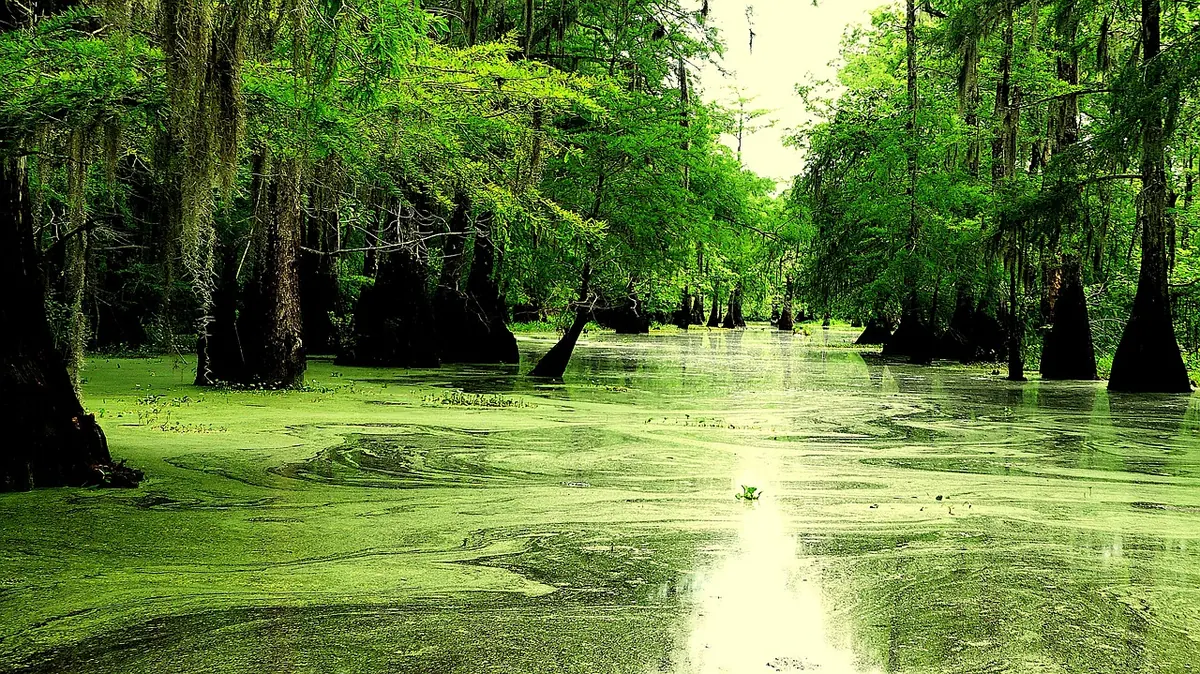
Three ingredients show up again and again: water that sits at or near the surface long enough to matter, soil that forms with little oxygen in it, and plants that can tolerate roots standing in saturated ground. Cattails, sedges, sphagnum moss, cordgrass, bald cypress. When you see those plants in a low spot, you are almost certainly looking at a wetland, whether or not it is wet the day you visit.
The Carbon Vault Beneath the Mud
Plants everywhere pull carbon dioxide out of the air. In a forest, much of that carbon goes right back up when leaves and fallen logs decay. In a wetland, the water changes the arithmetic.
Once soil is saturated, oxygen disappears fast. The microbes that break down dead plant material need oxygen to work, so without it, decomposition crawls. Stems, leaves, and roots pile up faster than they can rot. Season after season, that partly decayed material becomes peat — sometimes many feet deep, sometimes built up over thousands of years.
That is why wetland soils can hold far more carbon per acre than the forests and grasslands around them. They are not just storing living trees and grasses. They are storing centuries of dead plant matter that never finished breaking down.
Where the carbon ends up
- Peatlands and bogs. Cool, saturated, and dominated by moss. Carbon accumulates slowly and stays put for a very long time.
- Coastal salt marshes and mangroves. Every tide brings in sediment that buries organic matter in mud that never dries out.
- Floodplain forests and swamps. Seasonal floods drop silt and plant debris across the floodplain, while tree roots push carbon deep into the soil.
Keep a wetland wet and the carbon stays locked away. Drain it, and oxygen moves back into the soil. The microbes wake up, decomposition restarts, and that stored carbon begins leaving as carbon dioxide. Draining a marsh is not only a loss of habitat; it is a slow leak.
Flood Control: The Sponge You Never Notice
A wetland is a rough, vegetated sponge lying across the landscape. When heavy rain falls, water that would otherwise shoot into creeks and storm drains spreads out across the surface instead, threads its way through stems and roots, and soaks downward.
Two things happen at once. The wetland stores water for hours or days and releases it slowly. And the dense vegetation creates friction that slows the flow, so the peak of the flood arrives later and lower than it would have. That delay matters downstream. A creek that would have slammed a culvert all at once now delivers the same water over a longer window, giving it somewhere to go.
Wetlands filter as well. When water slows down, suspended sediment settles out, and nutrients such as nitrogen and phosphorus get taken up by plants or buried in mud. That is why some towns build constructed wetlands to clean stormwater before it reaches a river.
One honest caveat: a marsh is not a flood wall. It can absorb only so much water, and once its soil is saturated, the rest passes through. A drained wetland, meanwhile, loses nearly all of that sponge capacity — which is often exactly when a neighborhood downstream starts flooding.
A Nursery, a Pantry, and a Rest Stop
Wetlands rank among the most productive habitats on the planet, and much of that productivity feeds animals elsewhere.
- A nursery. Many fish, crabs, and shrimp spawn in coastal marshes and mangroves, where young animals hide among roots until they are big enough to survive open water.
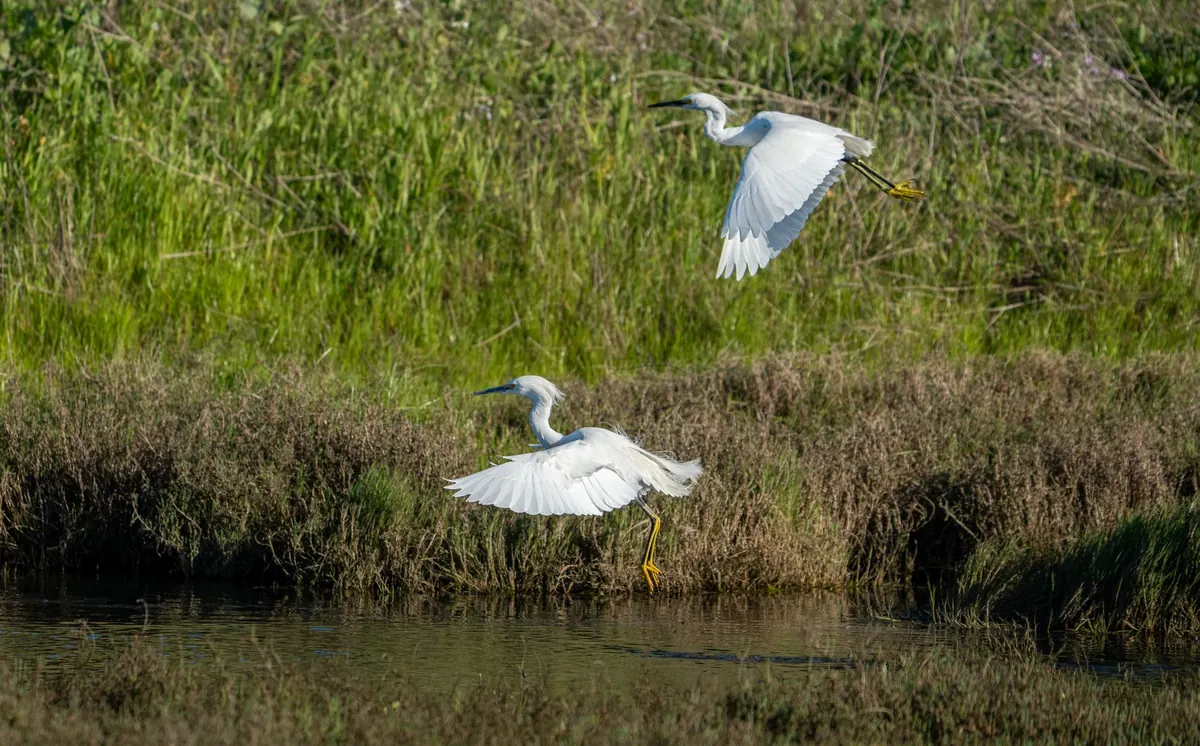
- A pantry. Insects emerge from wetland water in staggering numbers, feeding frogs, bats, swallows, dragonflies, and herons in turn.
- A rest stop. Migrating birds depend on wetlands as refueling stations, arriving thin and leaving fat enough to continue.
- A refuge. During droughts, a single wet marsh can be the only water for miles, holding amphibians, turtles, and mammals through the dry months.
Why So Many Wetlands Disappeared
For generations, wetlands looked like wasted ground: too wet to plow, too soft to build on, and famously good at breeding mosquitoes. So we ditched them, tiled them, filled them, and straightened the rivers that fed them. The land seemed improved — until the water that used to spread out across the marsh started arriving at roads and basements instead, and the carbon stored in that drained peat began drifting into the sky.
How to Help, Wherever You Live
You do not need a marsh of your own to make a difference. Most of these take an afternoon.
- Leave the soggy corner alone. If part of your yard stays wet, do not fill it. Plant sedges, ferns, swamp milkweed, or joe-pye weed and let it be a small wetland.
- Redirect a downspout into a rain garden. A shallow planted depression a few feet from the house slows runoff and lets it soak in.
- Keep ditches and shorelines vegetated. Bare banks erode; rooted plants slow water and filter it.
- Show up for local decisions. Conservation district meetings, zoning hearings, and public comment periods on permits to fill wetlands are where these places are actually saved or lost.
- Volunteer once. Cleanups, native planting days, and invasive species pulls at a nearby refuge are easy entry points and teach you the site quickly.
- Visit with care. Stay on boardwalks, keep dogs out of nesting areas, and never release aquarium plants or pet turtles into a pond.
Then learn your watershed — which creek your street drains to, and which wetland sits upstream of it. Once you can picture that connection, the marsh at the edge of town stops looking like empty ground and starts looking like infrastructure: carbon in the mud, water held back, and a great deal of life getting its start in the shallows.
Photo: It_was_a_pleasure / Pixabay