
Nocturnal Marsh Exploration: How to Hear and See Wildlife After Dark
A practical guide to exploring wetlands after dark: red-light technique, gear, safe movement, and how to identify the calls and eyeshine of nocturnal marsh wildlife.
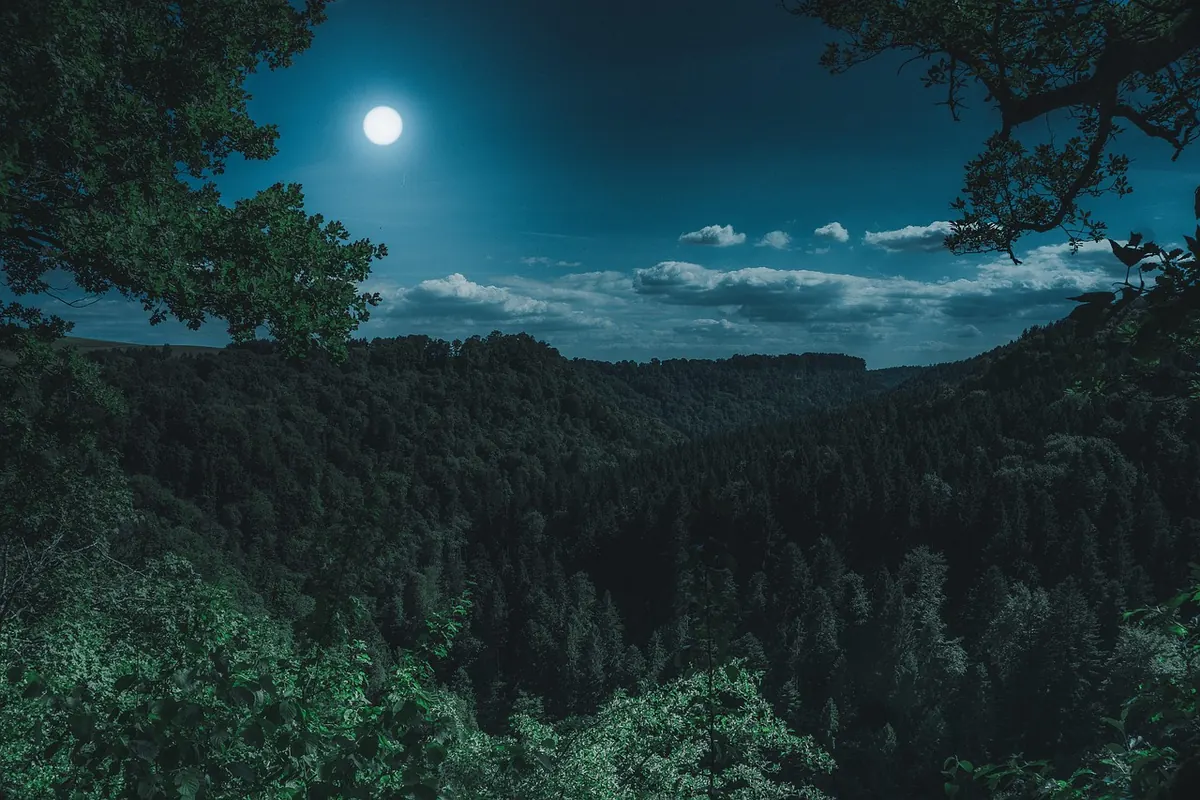
A marsh after dark is not the same place you walked at noon. The wind that kept the day loud often settles after sunset, and sound starts carrying across the water with startling clarity. Animals that spent the afternoon hidden come out to feed. The ones you saw at midday have gone quiet. If you have only ever visited a wetland in daylight, you have met about half of the residents.
Night exploration is not hard, but it rewards preparation more than enthusiasm. You need dim light, slow feet, and the willingness to stand still for a few minutes doing nothing at all.
What Actually Changes After Sunset
The marsh cools quickly once the sun is gone, and that drop in temperature drives much of the activity you came to see. Frogs start calling in force. Rails and bitterns, secretive by day, slip through the reeds. Owls begin hunting. Muskrats and beavers appear in open water that held nothing an hour earlier.
Activity comes in waves. The first hour after sunset is usually busy, then things quiet down, then a second push begins before dawn. If you can only manage one trip, go out in the evening — it is warmer, easier to navigate, and loud enough that you will not feel foolish standing in the dark.
Sound is the biggest change. Water and open sky carry calls, and without daytime wind and traffic to mask them, a frog chorus two hundred yards away can sound like it is at your feet.
Gear and Preparation Before You Go
Most night trips go badly for boring reasons: a dead battery, a wrong turn, wet feet. Sort those out at home.
- A red headlamp with a low setting, plus spare batteries. Red light protects your night vision better than white.
- A second light, small and white, for genuine emergencies and map reading.
- A charged phone, and a friend who knows your route and when you plan to be back.
- Boots you can stand in cold water with, and long sleeves. It gets colder on the water than in the parking lot.
- Insect repellent and a willingness to use it. Marsh mosquitoes hunt at dusk too.
- A tide table if you are walking a tidal creek or salt marsh. Water that was mud on your way out may be knee-deep on the way back.
Check whether the site allows night access before you drive out. Many refuges and parks permit it; some close at dusk, and a few restrict it for nesting or security reasons.
Light Discipline: Red Beams, Low Output
Human eyes adjust to darkness slowly — a full adjustment takes roughly twenty minutes, and one flash of white light resets much of it. Red light is easier on your dark adaptation and far less disturbing to animals.
Keep your beam low and pointed at your feet, not at the horizon. Sweeping a light across open water will push frogs silent and send herons and rails deeper into cover. If your headlamp's low setting is still bright, tape red cellophane over the lens or hold your hand across most of it. When you want to see something distant, use your ears first and your light second.
The Night Chorus: What You're Hearing
Learning a handful of calls turns a wall of noise into a conversation you can follow.
Frogs
- Spring peepers — single high peeps, scattered and piercing.
- Chorus frogs — a rising trill, like a thumbnail dragged along a comb.
- Bullfrogs — a deep, resonant jug-o-rum, low enough to feel in your chest.
- Green frogs — a single twang, close to a plucked banjo string.
- American toads — long musical trills that can last half a minute.
- Cricket frogs — rapid clicking, like two pebbles tapped together.
Birds
Barred owls ask their familiar question: Who cooks for you, who cooks for you-all? Great horned owls deliver low, rhythmic hoots. Screech-owls give a soft whinny or a single even trill. If you hear what sounds like someone blowing across a bottle neck — an oong-ka-choonk — you may be near an American bittern. Virginia rails call a sharp kid-ick, and marsh wrens chatter from the reeds like tiny sewing machines.
Mammals and Insects
A loud slap on the water is often a beaver telling you it saw you first. Muskrats leave a V-shaped wake without a splash. Raccoons squabble and rustle along the bank. Katydids rasp, crickets pulse, and the insect layer rises as the night warms.
Do not use recordings to call birds in. Playback pulls territorial birds away from nests and feeding, and it works against the quiet you came for.
Reading Eyeshine and Movement
Once your ears have located something, a slow sweep of red light at about eye height can confirm it. Eyeshine color varies by species, so treat it as a clue rather than an identification. Low green-gold reflections at the water's edge are often frogs. Pairs of tiny green sparks low to the trail are frequently spiders, not animals. Deer and raccoon eyes shine pale; an alligator's eye reflects red in a beam.
Movement matters more than color. Watch for ripples that break a reflection, a reed stem that bends against the wind, or a shape that stops when you stop.
A Simple Plan for Your First Night Walk
Park where you can find your car again. Walk the first stretch with your light on low, then switch it off and stand still for two full minutes. Let the noise settle and pick out one call at a time. Continue slowly, stopping every few dozen yards, and stay on the trail or boardwalk — dark mud and steep banks are genuinely dangerous, and water depth is impossible to judge at night.
Go with someone if you can. Bring water and one layer more than you think you need. Keep an eye on the temperature and turn back while you are still comfortable, not when you are cold. Check for ticks when you get home, and rinse your boots.
If you plan to wade, fish, or spend hours in cold water, treat that as a serious undertaking with proper safety gear and local advice. And if you manage a health condition that cold, exertion, or mosquitoes could affect, check with a doctor before you go.
Then just listen. The marsh does the rest.
Photo: flo222 / Pixabay