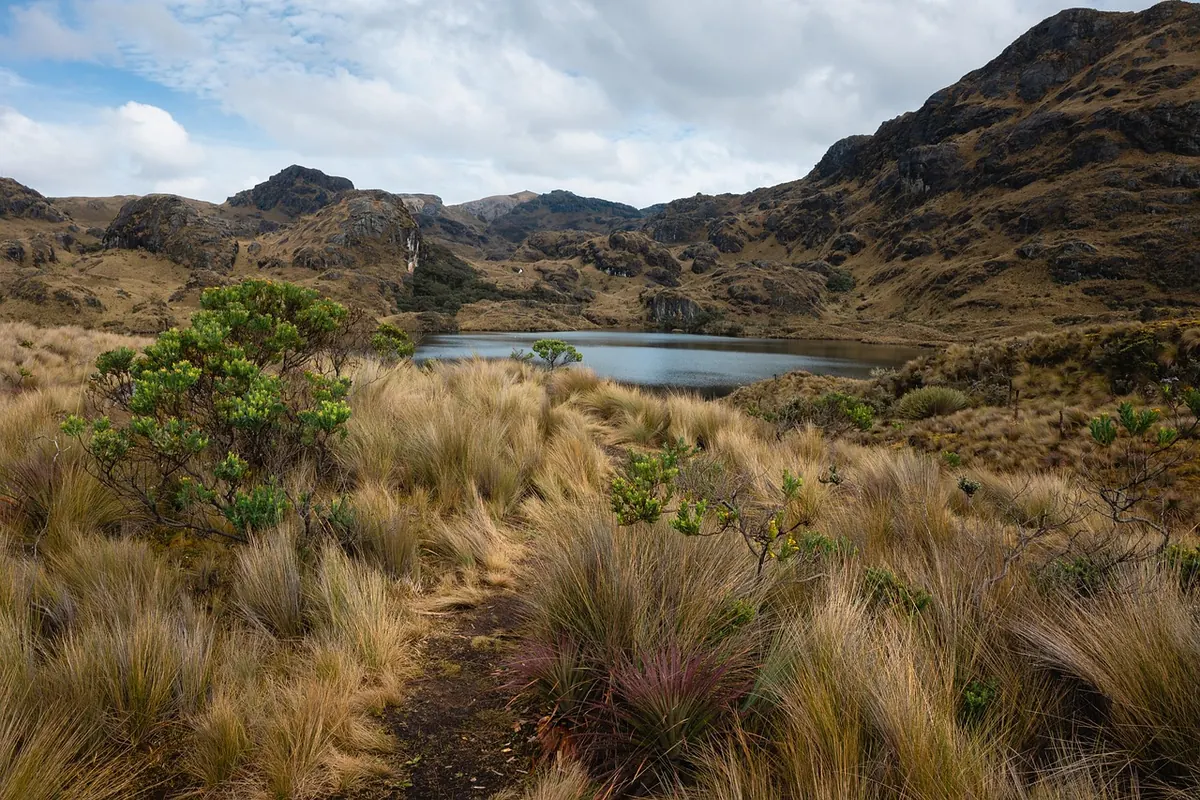



Wetland Walk Checklist: What to Pack for a Safe and Productive Marsh Visit
A season-by-season packing guide for marsh visits, covering footwear, navigation, safety and observation gear — plus the base kit that earns its place in your pack year-round.
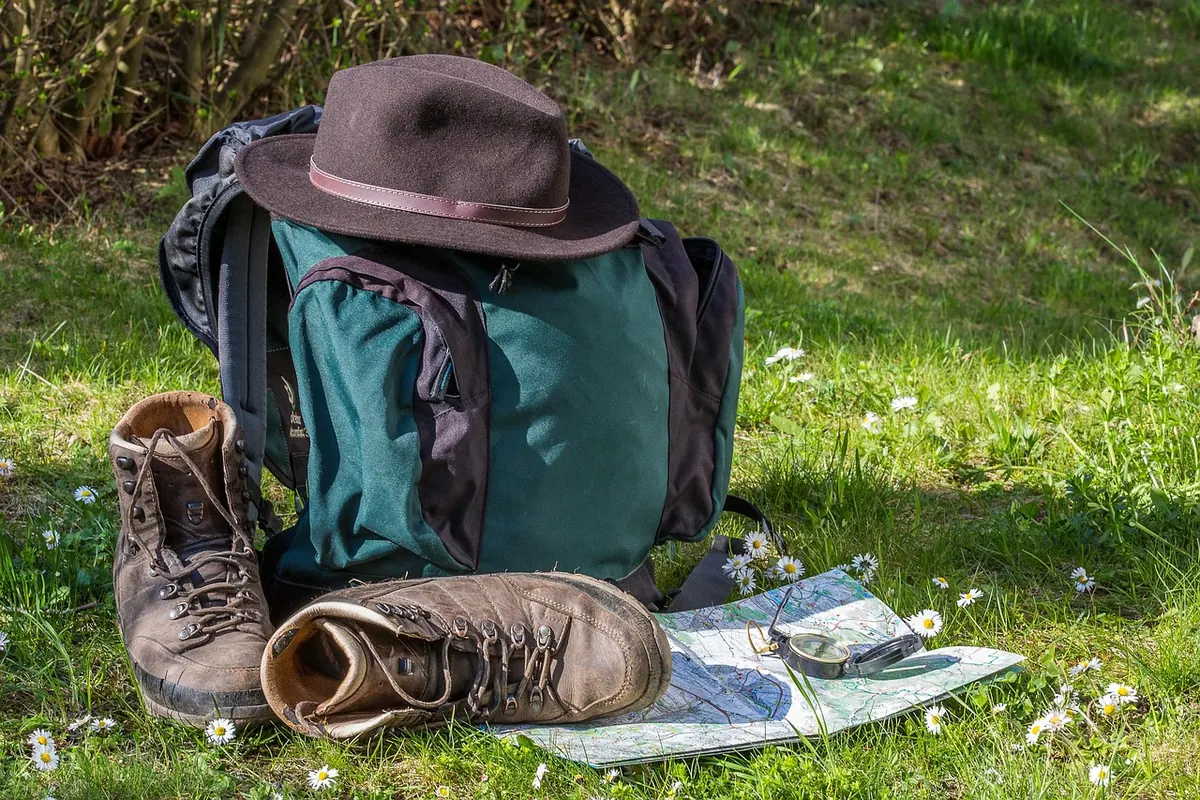
A marsh rewards preparation more than almost any other landscape. Get your feet right and you will stand still long enough to watch a heron stalk a channel edge; get them wrong and the whole walk becomes a study of your own discomfort. What you carry in April is not what you carry in August, so the list below is organized by season — the differences matter more than any single item.
The Base Kit That Never Changes
Some things live in your pack year-round. Restock them after every trip so you are never packing from scratch at 5 a.m.
- Water — more than you think you need, plus a small bottle to rinse mud off your hands
- Snacks that survive being crushed, and a little extra in case you take longer than planned
- A compact first-aid kit: blister plasters, tweezers for ticks and splinters, antiseptic wipes, tape
- Sun protection — hat, sunscreen, lip balm with SPF
- Insect repellent, and a head net if you are going anywhere buggy
- Phone in a waterproof pouch, plus a charged power bank
- Spare socks in a sealed bag. This is the single most morale-saving item you can carry
- A headlamp, even on a short day trip. Marsh light fades fast and paths are not obvious in the dark
- A dry bag for wet gloves, muddy gaiters and the camera you forgot to protect
Before you leave, tell someone where you are going and when you expect to be back. In a marsh, "I'll be somewhere off the north road" is not a plan.
Footwear Decides the Day
Knee-high rubber boots are the default for a reason: they handle shallow water, black mud and wet grass without complaint. Buy them with a decent lugged sole, not the smooth-soled fashion version that turns into a skating boot on a wet boardwalk. Unlined boots dry far faster than insulated ones, which matters if you visit regularly.
Two problems come with rubber boots. First, they fill instantly if you step into a hidden channel, and the suction can be strong enough to pull them off your foot. A boot strap or a simple belt around the ankle helps. Second, they offer no ankle support, so if you have weak ankles or a long approach on uneven ground, consider sturdy hiking boots with gaiters and accept that your feet will get wet in the wettest sections.
For water above the knee, chest waders are the tool for the job. Wear a wading belt — it slows the flow of water if you go under — and never wade into unfamiliar depth without a staff to test the bottom ahead of you. Some wetlands restrict felt soles to limit the spread of invasive species; check the local rules before you buy. Whichever you choose, break the boots in on a short walk first, and keep a dry pair of shoes in the car.
Spring and Early Summer
Water levels are high, temperatures are erratic, and the reeds are still low enough to see across. Add a warm mid-layer, waterproof gloves, and a windproof shell to the base kit. Water can be dangerously cold even when the air is mild, and cold-water immersion drains strength quickly, so stay out of deep water and keep your wading shallow.
This is nesting season. Use binoculars or a long lens instead of walking closer, and give island edges and reed beds a wide berth. If birds are circling and calling, you are already too near. Mosquitoes are waking up now, so treat clothing and bring the repellent you forgot in the base kit.
Late Summer and Autumn
Heat, glare and low water. Carry extra water, add an electrolyte tablet if you are out for hours, and wear long sleeves and a wide-brim hat rather than fighting the sun with sunscreen alone. Oxidized, stagnant water and blue-green algal scum are best avoided entirely — do not drink from any marsh source, and keep dogs out of obvious blooms.
Autumn is the best window for observation: waterfowl move through, vegetation thins, and the light softens. It is also hunting season in many areas. Wear high-visibility orange, check the local dates, and stay out of posted zones. Fog is common in the early morning, and sunset arrives early, so pack the headlamp without being reminded. Mud is at its deepest, and a trekking pole saves more energy than it costs.
Winter Marsh Visits
Ice in a marsh is deceptive. Springs, flowing channels and decomposing vegetation all weaken it, and a surface that holds in one spot may be open water ten steps away. Unless you have local knowledge and proper cold-water safety equipment, treat frozen marsh water as off-limits and walk the edges instead.
Layer with wool or fleece, add glove liners and hand warmers, and bring a thermos. Insulated boots with removable traction spikes help on icy boardwalks. Daylight is short — plan to be back at the car well before dark.
Pack for the return trip, not just the outward one. Dry socks, a warm layer and a headlamp only help if you remember them before you leave.
Navigation, Safety and Observation Gear
Navigation
Marsh terrain has few landmarks and countless lookalike channels. Download offline maps before you go, carry a paper map and compass if you can use them, and note a few anchors — a pumphouse, a particular dead tree, a bridge. Mark your turn-in point on your phone. Battery banks are not optional on a long day.
Safety
Check the weather and, in coastal marshes, the tide tables. A rising tide can cut off a route that was dry an hour ago. Carry a whistle, keep your phone dry and charged, and avoid going alone in unfamiliar wetlands. If you have a heart condition, joint problems or any health concern that wading and mud might aggravate, talk to a doctor before planning a long trip rather than guessing at your limits.
Observation
8x42 binoculars suit most marsh work; a spotting scope and tripod earn their weight if you plan to sit and scan open water. Add a regional field guide or a good identification app, a notebook and pencil, a camera in a dry bag, and a foam pad or kneeling mat so you can sit at the water's edge without soaking through.
The Night Before
- Check the forecast and the tide, then decide whether the trip is still a good idea.
- Lay out clothing in layers and pack the base kit from a written list, not memory.
- Inspect boots for cracks or split seams and check the headlamp batteries.
- Charge phone and power bank, download offline maps, and screenshot the route.
- Tell someone your route and return time, and agree on when they should worry.
Do this once and the packing takes twenty minutes. Do it twice and it becomes automatic — which is exactly what you want, because the point of all this gear is to stop thinking about it and start watching the marsh.
Photo: maxmann / Pixabay