
Freshwater Marsh vs. Salt Marsh: Key Differences and Where to Find Each
Freshwater and salt marshes look alike but differ in salinity, water flow, plants, and wildlife. Here's how to tell them apart and where to visit each.
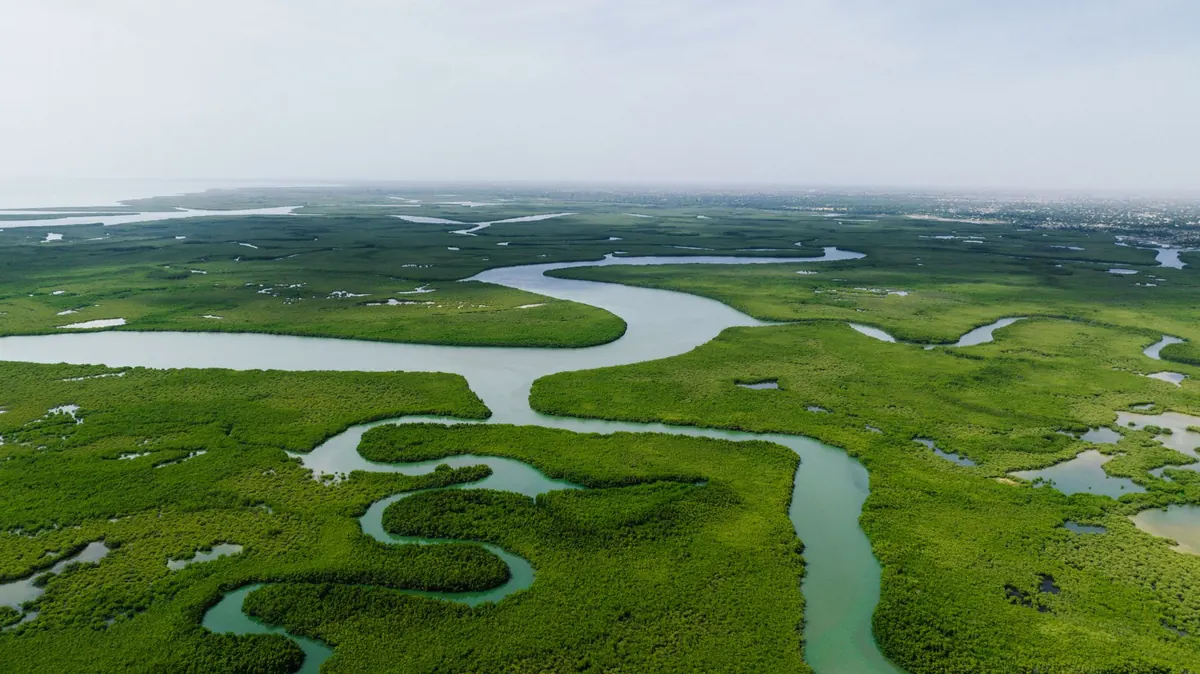
Stand at the edge of a freshwater marsh in July and you hear the place before you see it: red-winged blackbirds calling from cattail stalks, green frogs plunking into the shallows, wind rattling through leaves. Stand at the edge of a salt marsh at low tide and the mood is quieter and saltier. The mud sweats a faint sulfur smell, cordgrass runs in tight bands of green and gray, and the ground feels like it keeps a schedule you can't quite see. Both are marshes. Both are wet, soft, and loud with life. But they are built by different forces, and knowing which one you're standing in changes what you notice.
The Core Difference: Salt and Flow
The simplest way to separate the two is salinity. Freshwater marshes hold water that is essentially fresh — low enough in dissolved salt that ordinary plants can drink it without special equipment. They're fed by rain, groundwater, small streams, and spring floods. Water levels rise and fall with weather and season, not with a clock.
Salt marshes sit behind barrier beaches, inside estuaries, and along sheltered coastlines where ocean water can reach them. Twice a day, tides push salt water in and pull it back out. Salinity can swing widely over a single day and across a single season, depending on rainfall, river flow, and how high the tide runs. That swing is the defining challenge for anything trying to live there.
Flow matters as much as salt. Freshwater marsh water tends to sit, seep, and creep, pooling in shallow basins and spreading slowly through wet ground. Salt marsh water is pumped in and out like a lung, which carries away dead plant matter, delivers nutrients, and keeps the soil chemistry in constant motion.
Plants That Tell You Where You Are
You rarely need a test kit. Look at what's growing.
Freshwater marsh plants
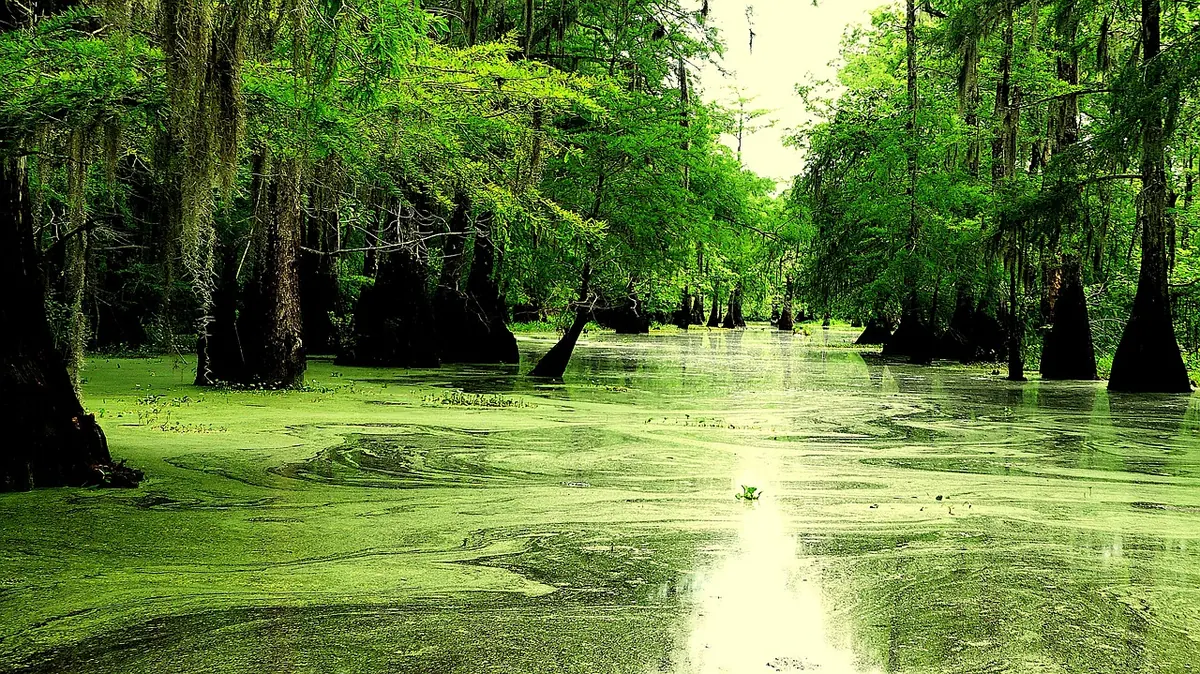
Cattails, bulrushes, sedges, pickerelweed, arrowhead, water lilies, wild rice, and buttonbush, with red maple and other shrubs at the drier edges. These are ordinary freshwater plants that tolerate wet roots. They haven't evolved to handle salt, and a strong dose of seawater would set them back. Their dead stems build up year after year into soft, spongy peat.
Salt marsh plants
Smooth cordgrass dominates the lowest zones, with salt hay, black needlerush, glasswort, and sea lavender higher up. These are halophytes — salt-tolerant specialists. Some excrete salt through their leaves, some dilute it in fleshy tissue, and some simply time their growth to the fresher weeks of the year.
Salt marshes also show obvious bands, because flooding depth and frequency change over just a few meters:
- Low marsh: flooded by nearly every tide. Cordgrass, tall and dense, with ribbed mussels clustered at its base.
- High marsh: flooded only on the highest tides. Salt hay, needlerush, and sea lavender, often mixed with shorter grasses.
- Pannes: shallow, poorly drained depressions that dry out and turn extra salty in summer, sometimes leaving bare flats.
- Upland edge: groundsel, marsh elder, and shrubs marking the transition to dry land.
Freshwater marshes are patchy too — open water, floating leaves, emergent stems, wet meadow, shrub thicket — but the pattern follows water depth and how long the ground stays wet, not tide height.
Wildlife: Who Lives Where
Freshwater marshes are mammal country. Muskrats build lodges and push trails through the shallows, beavers dam the outlets, snapping turtles and painted turtles haul out on logs, and frogs and dragonflies fill the warm months. Look for herons, bitterns, wood ducks, and red-winged blackbirds, and for fish like pike and bluegills in the connecting channels.
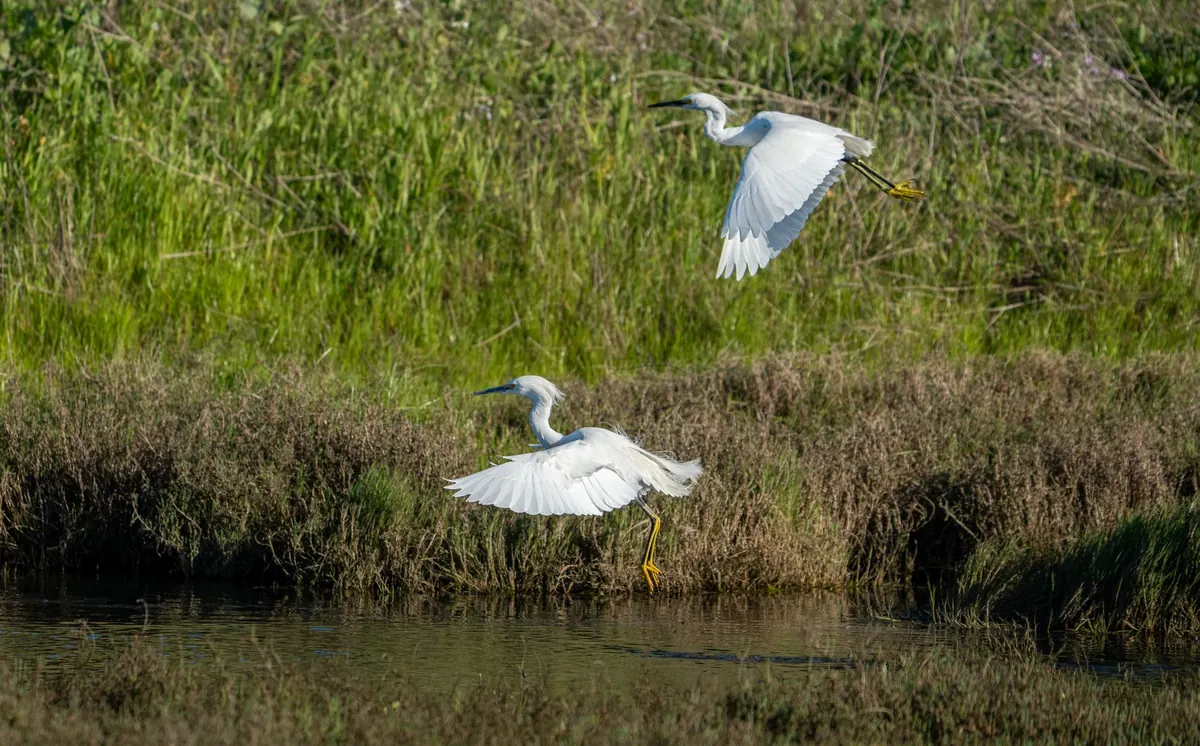
Salt marshes lean toward the sea. Fiddler crabs scuttle across the mud at low tide, ribbed mussels and oysters filter water along the edges, mummichogs and blue crabs move with the tide, and diamondback terrapins nest in the sandy uplands. Clapper rails, seaside sparrows, willets, egrets, and ospreys all depend on these flats. Salt marshes also serve as nurseries for fish and shellfish that spend their adult lives offshore.
One thing both have in common: when the plants die, they break down into detritus that feeds crabs, snails, shrimp, and everything that eats them. A marsh is less a place where things live than a place that ships food outward.
Where to Find Each
Across North America, the two types sort themselves out neatly by geography.
- Freshwater marshes: Great Lakes coastal marshes, the prairie potholes of the northern plains, the Everglades and Okefenokee, beaver meadows throughout New England and the Rockies, and the backwaters and oxbows of the Mississippi and its tributaries.
- Salt marshes: the Atlantic and Gulf coasts, Cape Cod and Long Island, Chesapeake Bay, coastal Louisiana and Texas, Pacific Northwest estuaries, and San Francisco Bay. Inland salt marshes also exist in saline basins such as the country around the Great Salt Lake.
Further afield, the Pantanal and Iberá wetlands are freshwater systems, while the Wadden Sea, the Bay of Fundy, and the low-lying marshes of eastern England are salt. Many of these sites sit inside national wildlife refuges, state reserves, or nature preserves, which means boardwalks, blinds, and clear rules about where you can walk.
Visiting Tips: Boots, Tides, and Timing
- Check the tide table first. In a salt marsh, low tide exposes mudflats and channels you can study; high tide can flood a trail you were counting on. Know when the water turns around.
- Wear boots you don't mind ruining. Rubber or neoprene, ankle to knee height. Marsh mud is soft, sticky, and occasionally deeper than it looks, so test each step with a pole if you're off a boardwalk.
- Stay on marked trails and boardwalks. Marsh peat and plant roots are fragile. A bootprint in soft ground can persist for years, and nesting birds flush easily.
- Protect yourself from insects and sun. Warm-season marshes are buggy and offer almost no shade. Long sleeves, repellent, and a hat do more for your visit than any camera lens.
- Go at dawn or dusk. Wildlife is most active in the first and last hours of light, and the low sun makes the plant bands easy to read.
- Bring binoculars and check for seasonal closures. Some refuges shut sections during nesting or hunting seasons, and rules vary from site to site.
- Leave what you find. Shells, shed crab claws, seed heads, and driftwood all belong to the marsh.
Start Small, Look Closely
You don't need a boat or a long drive to learn the difference. Find the nearest refuge or nature center with a boardwalk and visit it twice — once in early summer, once in fall. Learn three plants by name, then three more. Notice whether the water is moving on a schedule or simply sitting. Within a season or two, you'll be able to step onto soft ground, glance at the vegetation, and say with confidence which kind of marsh you're standing in. That's when both places start to get interesting.
Photo: K / Pexels